
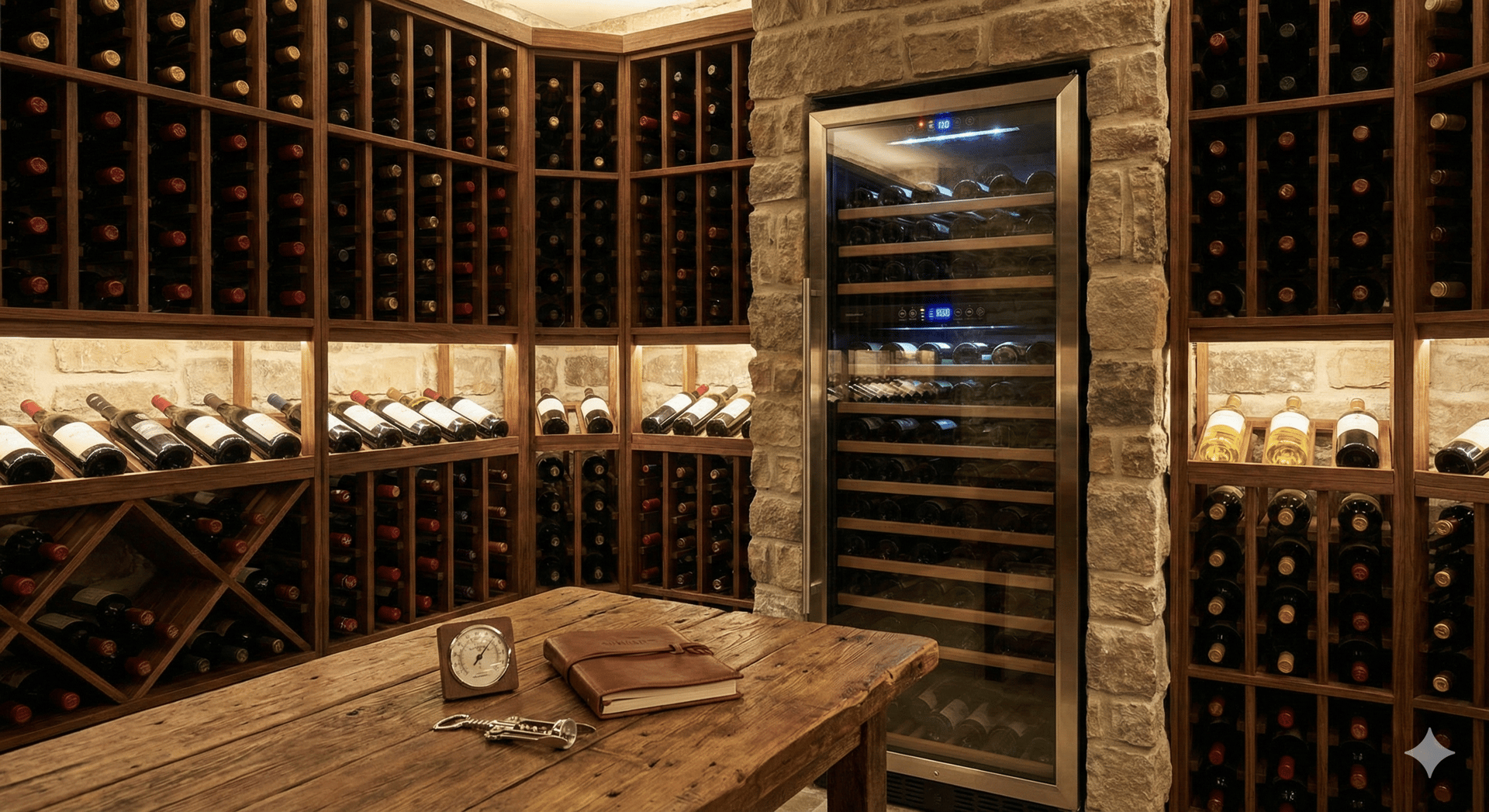
How to Store Wine at Home
Protecting Your Investment
2/19/20262 min read
Once a bottle of wine leaves the temperature-controlled environment of a winery or a professional cellar, its life span is in your hands. Wine is a living, perishable product. Its chemical balance is delicate, and without proper storage, even the finest "Cult Cabernet" can turn into expensive vinegar in a matter of months.
If you don't have a professional underground cellar, don't worry. Storing wine at home is about managing a few key variables to slow down the aging process and prevent spoilage. Here is the technical breakdown of how to keep your collection safe.
The Golden Rule: Stability is Key
The most important factor in wine storage is not just a cool temperature, but consistency. Rapid fluctuations in temperature are more damaging than a slightly higher, but stable, environment. When temperatures rise and fall, the liquid inside the bottle expands and contracts, which can push the cork out or cause air to be sucked in, leading to premature oxidation.
The Four Pillars of Storage
To protect your wine at home, you must address these four environmental factors:
Temperature: The ideal storage temperature is approximately 12°C to 14°C. However, if you can keep your wine at a steady 18°C, it will age a bit faster but still remain healthy. Avoid any area that climbs above 24°C, as this is where the wine begins to "cook," losing its fresh fruit aromas and developing a flat, stewed taste.
Humidity: You need a humidity level of about 60% to 70%. If the air is too dry, the cork can shrink and crack, allowing oxygen to enter. If it is too humid, mold may grow on the labels (which doesn't hurt the wine, but ruins the bottle's value).
Light: Ultraviolet (UV) rays are energy. When they hit a bottle, they can excite the riboflavin and amino acids in the wine, creating unpleasant sulfur-like odors. This is why red wine bottles are usually dark green or amber. Always store your wine in total darkness or away from direct sunlight and fluorescent bulbs.
Vibration: While it sounds subtle, constant vibration (from a refrigerator motor or a nearby washing machine) can disturb the sediment in older wines and speed up chemical reactions that degrade the wine's structure. Keep your bottles still.
The "Horizontal" Mandate
Why do we store wine on its side? It is a matter of basic hydration. By keeping the bottle horizontal, the wine stays in constant contact with the cork. This keeps the cork moist and swollen, maintaining a perfect airtight seal. If stored upright for long periods, the cork will dry out, lose its elasticity, and eventually fail.
Practical Solutions for the Home
If you are not ready to install a custom-built cellar, consider these strategies:
The Wine Fridge: For a serious enthusiast, a dedicated wine refrigerator is the best investment. Unlike a regular kitchen fridge (which is too cold, too dry, and vibrates too much), a wine fridge is engineered to maintain steady humidity and a vibration-free environment at exactly 13°C.
The "Coolest Corner": If a wine fridge isn't an option, look for an interior closet or a dark cabinet away from outside walls, windows, and kitchen appliances. The bottom of a closet is often the most stable thermal point in a home.
Avoid the Kitchen and Laundry: The kitchen is the worst place for wine due to the heat from the oven and the dishwasher. The laundry room is equally bad due to the heat and vibrations from the machines.
Respecting the Journey
Storing wine properly is an act of respect for the years of work that went into the bottle. Whether you are keeping a bottle for a special anniversary ten years from now or just protecting your weekend supply, following these technical guidelines ensures that when you finally "pop the cork," the wine inside is exactly what the winemaker intended it to be.